Payment Choices and Their Effect on Initial Rewards Access for Mobile Gaming in Regulated Markets
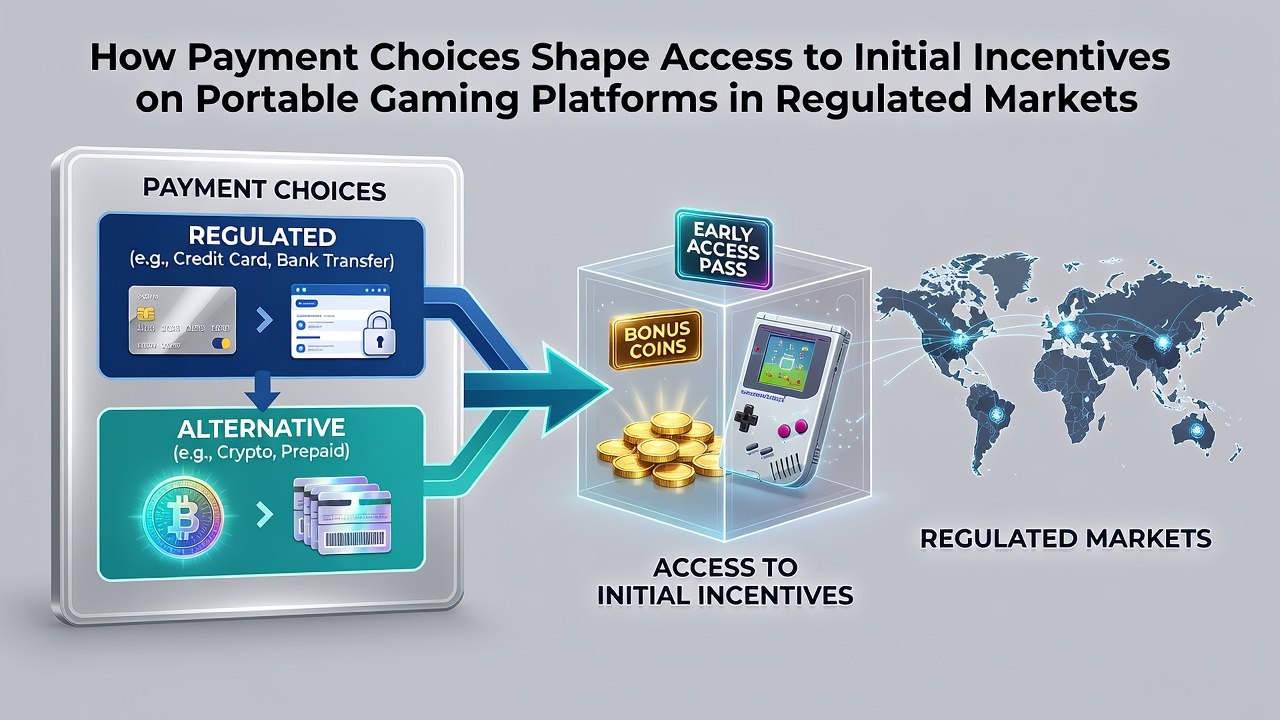
Payment methods play a direct role in determining which initial incentives become available on mobile gaming platforms operating inside regulated markets, and data from multiple jurisdictions shows clear patterns emerging around eligibility rules tied to specific transaction types. Observers note that credit cards often trigger standard welcome packages while e-wallets and bank transfers sometimes unlock separate tiers of offers because platforms structure bonuses around processing speeds and verification requirements. Those patterns hold across several controlled regions where operators must follow strict licensing conditions that tie reward distribution to approved funding sources.
Core Payment Categories and Platform Rules
Portable devices connect users to gaming environments through apps that list accepted funding options at registration, and each option carries its own set of conditions for bonus activation. Credit and debit cards remain the most widely supported category yet some operators restrict them from certain promotional pools because of higher processing fees that reduce margin available for rewards. E-wallets such as PayPal and Skrill frequently appear in separate bonus categories since they allow faster verification and lower chargeback risks, which regulators view favorably when reviewing operator compliance records. Bank transfers and prepaid vouchers occupy another segment where access to initial incentives depends on whether the method supports instant confirmation or requires additional manual checks that delay reward crediting.
Researchers tracking mobile traffic in licensed markets report that users selecting cryptocurrency options encounter narrower incentive windows in jurisdictions that permit digital assets, because platforms apply extra compliance layers to meet anti-money laundering standards. Those layers can postpone bonus activation until wallet addresses clear screening protocols that standard card payments bypass. Data indicates the difference in timing affects how quickly players reach wagering thresholds attached to early rewards.
Regulatory Variations Across Regions
Controlled markets impose distinct requirements on operators regarding which payment rails qualify for promotional funding, and these rules directly influence what appears inside mobile apps. In several US states with established iGaming frameworks, licensing agreements specify that only transactions processed through state-approved processors count toward bonus playthrough, which excludes certain international e-wallets. Canadian provincial regulators have introduced similar filters that prioritize methods with built-in identity verification to reduce underage access risks on handheld devices. Australian state commissions apply their own criteria focused on responsible gambling tools that must accompany every reward funded by a deposit, creating further segmentation based on payment speed and traceability.
One study from an academic research group examined transaction logs across multiple licensed apps and found that players using instant bank payment services reached initial incentive unlock points 18 percent faster on average than those relying on traditional card processing. The same analysis noted that platforms adjust reward values downward when slower methods dominate because extended verification windows increase operational costs passed on through smaller bonus amounts.
Impact on User Behavior and Platform Design
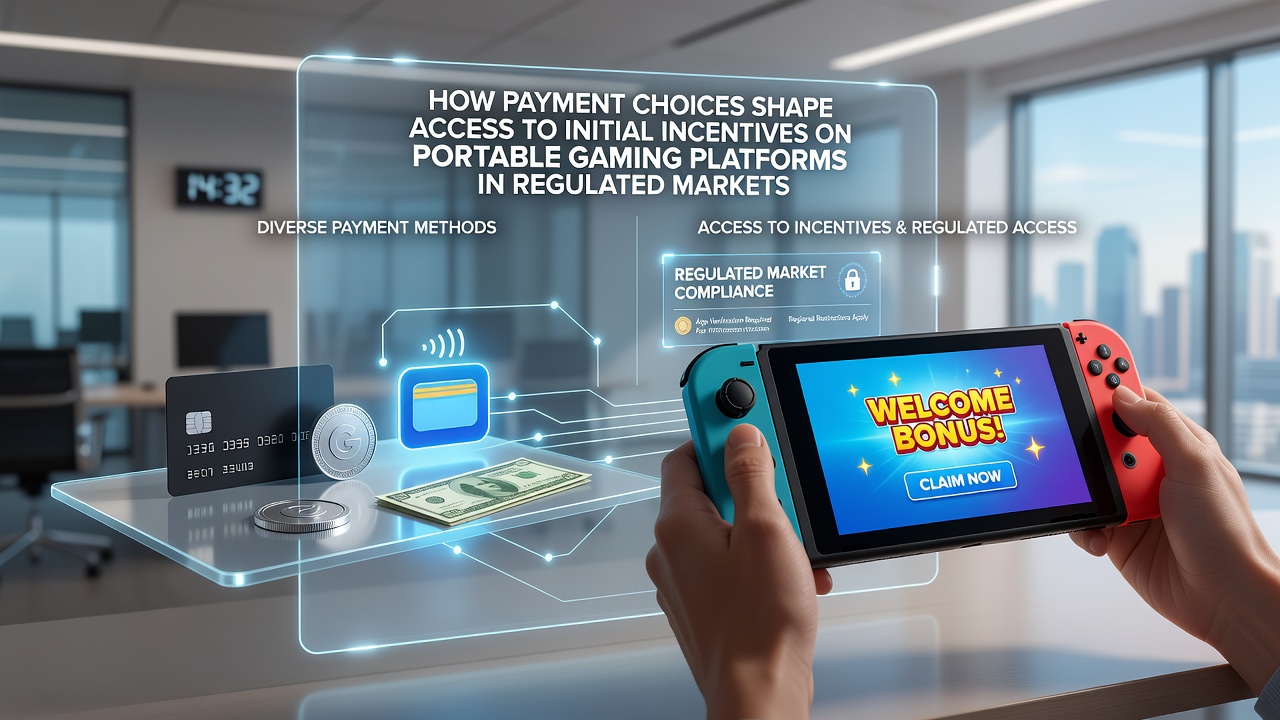
Users adapt their payment selections once they understand how different methods affect reward availability, and platform analytics show measurable shifts toward faster-verifying options when initial incentives form a key acquisition tool. Mobile gaming operators respond by highlighting eligible payment icons during onboarding flows so that new accounts align with bonus structures from the first deposit. In October 2026 several licensed platforms updated their app interfaces to display real-time eligibility indicators next to each funding choice, reflecting updated regulatory guidance on transparent promotion of rewards.
Industry reports from trade associations indicate that markets allowing a broader range of payment types see higher overall participation in initial incentive programs, yet those same markets require operators to maintain separate tracking systems for each method to satisfy audit requirements. The added tracking creates technical overhead that some smaller operators offset by limiting which payments qualify for the largest welcome packages.
Future Developments in Payment Integration
Emerging payment technologies continue to intersect with regulated mobile gaming as platforms test integrations that could expand or restrict incentive access. Biometric-linked digital wallets and instant settlement rails receive attention from licensing bodies because they combine speed with stronger identity assurance, potentially opening new bonus categories. Observers expect further guidance from multiple regional authorities in coming quarters that will clarify how these newer rails fit existing promotional frameworks.
Those developments build on existing patterns where payment choice already functions as a gatekeeper for early rewards, and operators continue refining their mobile offerings to balance regulatory compliance with competitive incentive structures. Figures from regulatory filings show consistent growth in mobile transaction volumes across licensed markets, underscoring the ongoing importance of aligning payment infrastructure with reward eligibility rules.
Conclusion
Payment selections determine the scope and timing of initial incentives available on portable gaming platforms inside regulated markets because operators and regulators tie reward activation to processing characteristics, verification standards, and compliance costs. Data from multiple controlled jurisdictions confirms that method-specific rules shape user options from the moment an account opens, and ongoing updates to licensing conditions keep these linkages in focus for both platforms and players.